
The best places to visit in 2026
1. Serengeti, Tanzania
I’d dreamed of visiting the Serengeti for as long as I can remember, ever since learning about the Great Migration – when millions of wildebeest cross the treacherous Mara River between Kenya and Tanzania.
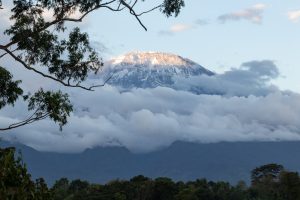
Thanks to my wonderfully easygoing husband, I finally experienced it on our honeymoon last year. We spent two weeks travelling from Kilimanjaro deep into the Serengeti, staying in luxury tented camps where the sounds of wildlife filled the night. It’s an experience that’s impossible to replicate anywhere else.
While the Serengeti has long been popular with safari enthusiasts, improved transport and accommodation has made it more accessible in recent years. Interest is growing fast – which makes now an ideal time to go before visitor numbers climb even higher.

2. Bukhara, Uzbekistan
Uzbekistan has been steadily gaining attention since I visited a few years ago, yet it still feels refreshingly quiet compared to other historic destinations.
Travel here is less about lounging and more about architecture, craftsmanship and layered history. While the country deserves at least a week to explore properly, Bukhara is an ideal standalone stop if time is limited. Expect hidden markets, excellent local food, and wide courtyards and plazas decorated with intricate blue tiles.
If you’re feeling brave, try a traditional hammam spa. Otherwise, spend your time browsing silk rugs, ceramics and hand-stitched coats – you’ll likely need extra luggage for the journey home.
Read more in my guide: How to plan a trip to Uzbekistan
3. The Pantanal, Brazil
Nature plays a huge role in how I travel, so visiting southern Brazil without seeing the Pantanal felt unthinkable – even if getting there was no small feat.
The world’s largest tropical wetland isn’t easy to reach, but that’s part of the appeal. Fewer visitors make it here compared to other wildlife destinations, and the rewards are exceptional. The Pantanal is known for its jaguar population, alongside caimans, tapirs, capybaras, anacondas and hundreds of bird species.
We were lucky enough to spot a family of giant river otters and several jaguars swimming through the waterways, among other animals. While trips here can be costly, careful research led me to Jaguar Eco Reserve, which offered a more affordable package with welcoming accommodation, home-cooked meals and daily wildlife excursions.

4. Lindos, Greece
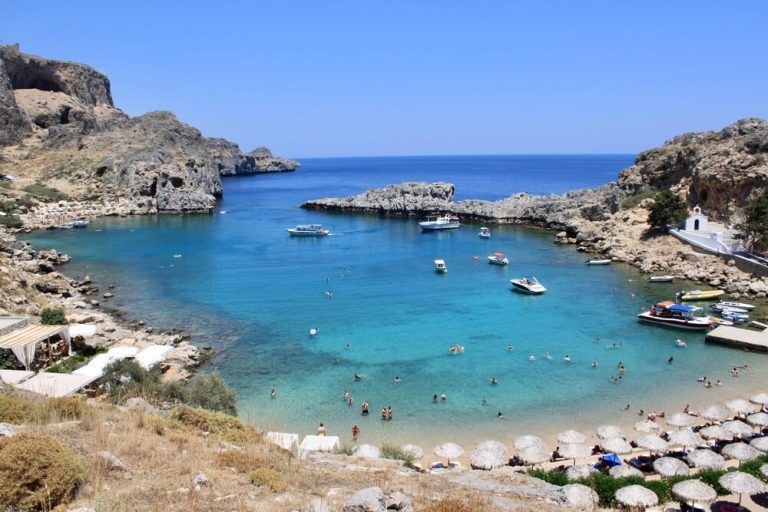
Greece never loses its appeal, but some corners still remain quieter than others. Instead of heading back to Rhodes Town, Santorini or Mykonos, Lindos offers a slower, more relaxed base with just as much atmosphere.
This whitewashed village combines sheltered bays for snorkelling, winding cobbled streets lined with shops and tavernas, and an ancient acropolis perched dramatically above the town. St Paul’s Bay – a heart-shaped lagoon just outside the centre – is a highlight, ideal for swimming, snorkelling or a long afternoon by the water.

5. Looe, Cornwall
Cornwall has long been a favourite for coastal breaks, but during our search for a wedding venue we stumbled across Looe and it’s since become a returning favourite. So much so, I’m hesitant to recommend it!
This small harbour town manages to pack in sandy dog-friendly beaches, rocky coves, clifftop walks and a compact centre filled with independent shops and eateries, all within walking distance. From freshly baked pasties to cosy pubs and a handful of smarter restaurants, it’s easy to settle in for a few days.
Don’t miss the old train ride to Liskeard on the Looe Valley Line, or a red wine and curry at Ye Olde Salutation Inn.
6. Cusco, Peru
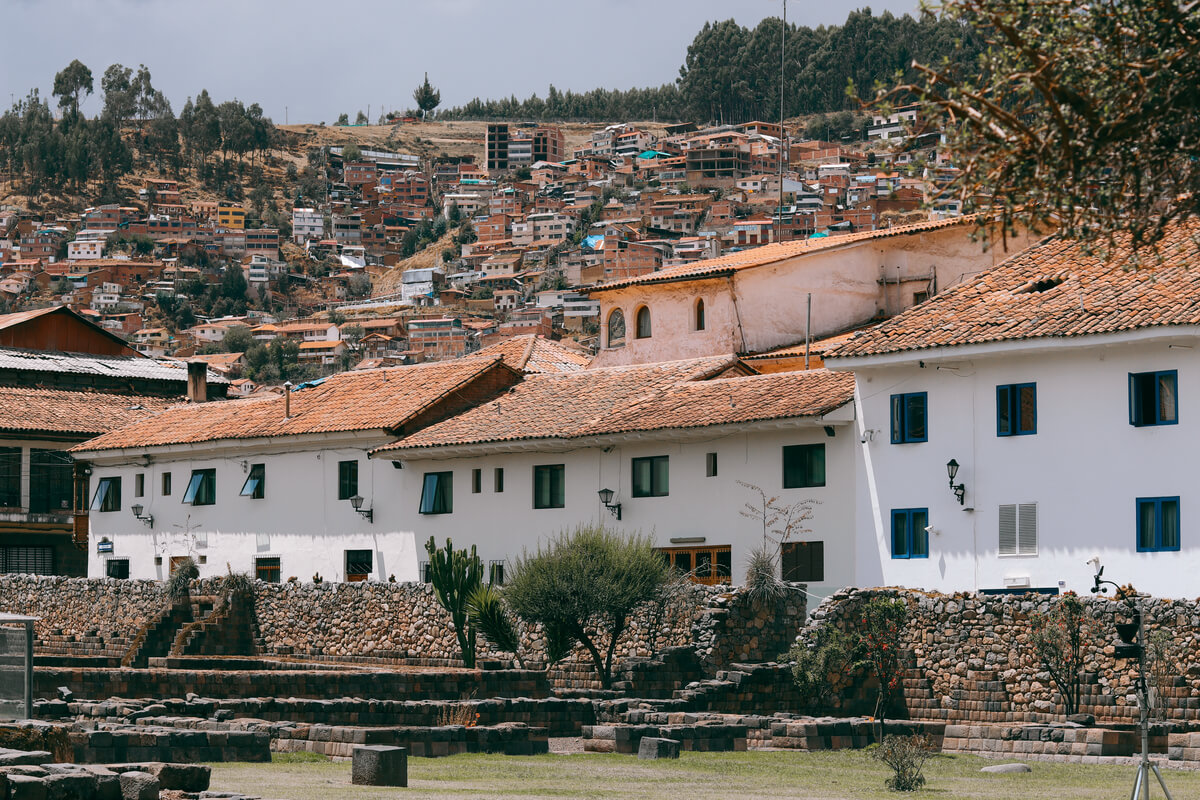
Machu Picchu often steals the spotlight, but Cusco deserves far more attention than it gets as a destination in its own right.
This former Inca capital is rich with Andean history, lively squares and an excellent food scene. Between boutique artisan shops, brunch cafés, local markets and countless alpaca knitwear stores (I needed an extra bag), there’s plenty to fill your days without leaving the city.
Add in nearby ruins, pottery workshops and cooking classes, and Cusco becomes a destination you could happily linger in – not just pass through on the way to the Sacred Valley.
Check out my list of top things to do in Cusco and my recommended itinerary for Peru for more ideas.

7. Zell am See, Austria
If you’re drawn to the outdoors, Zell am See is an easy win. This lakeside town offers year-round appeal, whether you visit for skiing or summer adventures.
Visiting outside ski season, I spent my time hiking, swimming in the lake, hiring pedal boats, riding gondolas and unwinding in an alpine spa with mountain views. There are also cycling routes, watersports and winter activities like tobogganing and snowshoeing, making it a flexible choice for families or groups.
With Salzburg just a short flight away, it’s also surprisingly accessible.
Take a look at my guide to Zell am See in summer.

8. Innsbruck, Austria
Staying in Austria, Innsbruck earns its place as a city that balances culture with dramatic alpine scenery.
Pastel streets lined with cafés and shops reflect its Italian influence, while Austrian beer halls keep things grounded. Highlights include St James’ Cathedral, the Golden Roof and the Imperial Palace, alongside an alpine zoo and sweeping mountain views accessed via the Nordkette cable cars.
It’s compact, easy to explore, and ideal for a long weekend or short break.
Don’t miss my guide to what to do in Innsbruck.

9. Exmoor, England
Unless you’re already an avid explorer of the English countryside, Exmoor may not be high on your list – but it deserves a closer look.
This national park is known for its wild ponies, but there’s far more to discover. Paddle through the streams at Watersmeet before afternoon tea, wander the gardens of Dunster Castle, or take a dip at Wild Pear Beach. Spend time in Lynton and Lynmouth, connected by a historic cliff railway, or drive the Heritage Coast and stop for impromptu picnics overlooking the sea.
Discover more things to do in Exmoor National Park.

10. Yosemite, USA
For anyone drawn to waterfalls, granite cliffs and long hiking days, Yosemite National Park remains one of the most rewarding nature destinations in the world.
From misty trails and dramatic viewpoints to peaceful forest walks, it’s a place that stays with you long after you leave. If hiking is your thing, don’t miss my guide to tackling the Yosemite Mist Trail.
11. Everest Base Camp, Nepal
For some, hiking is a weekend ritual. So if you’re up for a bit of a challenge, a mountainous climb is an epic way to combine fitness and travel into your year – and nowhere quite matches up to Everest.
I haven’t yet made it to Nepal – although my Dad’s story of his trip has definitely inspired me – but I know an Everest Base Camp Trek is high on the list for many, including my fellow traveller friends. The 14 day trip will take you over 5,000 metres above sea level, through Sagarmatha National Park, the Khumbu Glacier and Khumbu Icefalls. Plus you’ll have bragging rights for life when you reach the end viewpoint! The Manaslu Circuit Trek is an alternative option that is slightly less crowded but still promises an incredible experience.

12. Grasse, France
The South of France is always popular, but beyond Saint-Tropez there are quieter towns worth seeking out. Grasse, the historic heart of French perfume-making, is one of them.
Expect narrow cobbled streets, the scent of fresh pastry drifting from bakeries, washing hanging from shuttered windows – and the unmistakable fragrance of high-quality perfume carried through the air from local perfumeries. It’s an atmospheric stop that feels effortlessly French, without the crowds of the coast.
13. Tibet, China
Tibet is quietly emerging as a destination for travellers looking beyond the usual bucket-list trips. Set on the world’s highest plateau, it offers vast open landscapes, centuries-old monasteries and a culture deeply shaped by spirituality and tradition – somewhere I’m very keen to visit.
Various Tibet tour routes make visiting the region slightly more straightforward than before, but the region is still all about a slower pace and meaningful encounters. From exploring Lhasa and the Potala Palace to travelling through remote valleys and mountain passes, the journey itself is a key part of the experience.