
Note: this guide to travelling while pregnant contains affiliate links. Thank you for the support!
I found out I was pregnant just two days before my husband’s 40th birthday trip to LA. Two days. Enter panic mode of Googling “flying in early pregnancy”, panic-buying Gaviscon and disposable sick bags, and realising I wouldn’t be able to drink in Napa Valley.
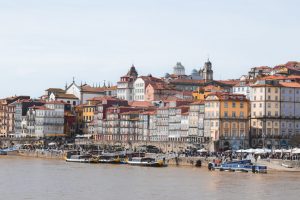
Fast forward a few months and I’ve now travelled whilst pregnant on four very different trips: a city break to Porto before I even knew I was expecting, a two-week adventure through California and Hawaii at around five weeks pregnant, a quick trip to Disneyland Paris at 18 weeks and a wonderfully relaxing babymoon to Cyprus at 20 weeks.
If there’s one thing I’ve learnt, it’s that pregnancy doesn’t have to mean putting your passport away. It might mean swapping rollercoasters for pool days, afternoon hikes for afternoon naps, and wine tastings for mocktails, but travelling can still be every bit as memorable.
Here’s everything I’ve learnt so far about travelling while pregnant, from flying safely and coping with morning sickness to the products I genuinely couldn’t have travelled without.
Table of Contents
Can you travel while pregnant?
For most healthy pregnancies, yes. Travelling while pregnant is generally considered safe, particularly during the second trimester when many people find their symptoms have settled and energy levels have improved.
That said, every pregnancy is different. It’s always worth discussing travel plans with your midwife or consultant, particularly if you’re travelling later in pregnancy or have any medical conditions or pregnancy complications.
If you’re flying, it’s also important to check your airline’s pregnancy policy before booking, as many have different cut-offs for when they’ll allow you to travel and you might need a Fit to Fly letter.
My pregnancy travel timeline
Porto (around 2-3 weeks pregnant – without knowing!)
I’d unknowingly already travelled to Porto before finding out I was pregnant. I ate soft cheeses, had rather a lot of Port and generally lived my best foodie life. And I thought I was just a bit bloated.
If you’ve done something similar before finding out you’re pregnant, don’t panic. Speak to your midwife if you’re worried, but remember many women don’t discover they’re pregnant until several weeks in.
California and Hawaii (around 4-5 weeks pregnant)
The first week of this trip was surprisingly easy. I just felt a little more tired than usual and found myself wanting earlier nights. Then morning sickness arrived.
By the second week I was driving around Hawaii with a sick bag permanently wedged between my legs, eating little and often, squeezing in afternoon naps and discovering just how much comfort there is in room service pizza! But unlike trips where you suffer from food poisoning, being pregnant is a new, exciting reason to take a rest so doesn’t take anything away from the holiday.
Disneyland Paris (18 weeks)
This was such a special trip because my best friend was pregnant too. We celebrated together, took advantage of Disneyland Paris’ Priority Access with a Thumper Band, enjoyed plenty of snacks and didn’t feel guilty about taking things slowly.
Cyprus babymoon (20 weeks)
By far the easiest trip. Morning sickness had eased, I had a lovely little bump and finally felt like myself again. It was exactly what we needed before becoming parents.
When can you fly during pregnancy?
For most pregnancies, flying is considered safe until later in the third trimester, although every airline has its own policy. Generally speaking:
First trimester (0-12 weeks)
There’s usually no restriction on flying, although this is often when morning sickness and tiredness are at their worst.
Second trimester (13-27 weeks)
This is widely considered the best time to travel. Energy levels often improve, nausea settles for many people and you’re still comfortable enough to enjoy exploring.
Third trimester (28+ weeks)
Many airlines begin requesting a fit-to-fly letter from around 28 weeks, with most stopping travel somewhere between 36 and 38 weeks depending on whether you’re carrying one baby or multiples.
If you’re travelling by train instead, you’ll usually have much more flexibility. In fact, one of my closest friends travelled to Disneyland Paris by Eurostar at 35 weeks pregnant with no issues. Trains can also feel much more comfortable than flying as there’s plenty of space to walk around and no altitude to contend with.
Flying in early pregnancy: don’t panic
Finding out you’re pregnant just before a big trip can feel overwhelming. I found out only two days before flying to California and Hawaii and had to quickly Google what I could and couldn’t do, or eat.
In reality, the trip was absolutely fine. I skipped the bigger rollercoasters at Disneyland California, swapped my husband’s planned shark dive for relaxing by the beach (a sacrifice I was more than happy to make!) and generally listened to my body throughout the trip.
Instead of worrying about everything I couldn’t do, I embraced everything I still could. I ate every Disney snack going, watched spectacular sunsets, explored beautiful beaches and realised travel didn’t suddenly have to stop because I was pregnant.
How to cope with morning sickness while travelling
Morning sickness was by far the hardest part of travelling during pregnancy for me. I was sick almost every day until starting Xonvea, which completely changed the game. If you’re really struggling, don’t suffer in silence. Speak to your GP or midwife about medication because it genuinely transformed my first trimester.
Alongside medication, these were my biggest lifesavers:
- Eat little and often rather than waiting until you’re hungry.
- Keep plain crackers or biscuits beside your bed to eat when you get midnight munchies.
- Eat something before getting out of bed / moving in the morning (no better excuse for breakfast in bed!)
- Pack ginger sweets or mints for journeys.
- Sip water regularly throughout the day.
- Always carry snacks (sandwiches, cereal bars, fruit and pastries became my best friends).
- Keep disposable sick bags in every handbag, backpack and hire car.
The sick bags deserve a special mention. I actually bought them before the sickness even started because I knew having one nearby would ease my anxiety if I was caught short. They ended up being one of the best purchases I made and (sadly haha) are a repeat order.
My top tips for travelling while pregnant
Choose your destination carefully
As someone whose holidays usually revolve around city breaks, wildlife and cramming in as much as possible, this was surprisingly difficult.
For our babymoon, I deliberately chose somewhere with less pressure to sightsee. We wanted somewhere beautiful, warm and relaxing rather than somewhere I’d feel disappointed not exploring properly.
Cyprus was perfect – read about our trip and my top babymoon ideas and tips here.
I’d also recommend avoiding destinations that require vaccinations or have a risk of malaria or Zika virus (although don’t panic too much as one Zika map listed the US as a risk!). Always check the latest travel health advice before booking.
Don’t fly too far if you can avoid it
We flew around a lot on our California and Hawaii trip, with long haul flights reaching 11 hours – although they were in the comfort of business class. Five hours to Cyprus felt like the perfect maximum for me by the time I reached 20 weeks.
Long-haul travel is absolutely possible during pregnancy, but personally I wouldn’t have wanted to spend much longer on a plane by that point.
Build flexibility into your itinerary
This might be my biggest piece of advice. Pregnancy is unpredictable. One day you’ll feel brilliant. The next you’ll need a two-hour nap after breakfast.
Leave gaps in your itinerary. Book accommodation with flexible cancellation policies where possible. Don’t feel like every hour needs planning.
Don’t give in to the FOMO
This was a hard lesson for me. Normally I’d be chasing viewpoints or squeezing in the top 10 sights before I left a destination. Pregnancy forced me to slow down.
Instead of feeling frustrated, I started appreciating the slower moments: short beach walks, lingering over a top-rated brunch and watching the sunset rather than rushing onto the next activity.
Stay somewhere comfortable
Pregnancy is definitely not the time to skimp on accommodation. Hostels and tiny budget rooms might have suited me in my twenties, but a comfortable bed, decent air conditioning and somewhere quiet to nap quickly became priorities.
If your budget stretches to it, I’d even consider upgrading your room. We booked a swim-up room for our babymoon and having our own terrace made such a difference.
Eating abroad might look different
Don’t put pressure on yourself to eat all the local delicacies, especially if you’re travelling in the first trimester and coping with sickness.
I was genuinely gutted not to enjoy poke bowls in Hawaii, but there’s always next time! Instead, I lived on sandwiches, pizza, cereal, pastries, pasta and ridiculously good Californian strawberries.
Avoid overheating
Pregnancy makes it much easier to overheat – your body is rapidly producing more blood and it takes a while to get used to it.
I found sitting in the shade much more comfortable than lying in full sun and wore SPF 50 throughout the trip.
My wearable fan also became one of my favourite travel purchases. Whether I was walking into town, sitting on trains or wandering around in the afternoon heat, it made a huge difference.
Go at your own pace
There’s no prize for packing the most into each day. If your hotel offers pregnancy massages, book one. If you’re tired, nap. If a four-hour boat trip suddenly feels overwhelming, swap it for a one-hour sunset cruise.
That’s exactly what we did in Hawaii. Whilst I still felt rather green (I’ve always suffered badly with travel sickness on boats), it was far more manageable than spending half a day out at sea.
Pregnancy symptoms I wasn’t expecting whilst travelling
Morning sickness wasn’t the only ailment I suffered with. My IBS was often triggered due to bloating and organs moving around, so peppermint tea became a huge relief.
Pregnancy rhinitis also hit me quite hard, particularly in the mornings. I often woke up feeling completely blocked up, which is now the main trigger for my gag reflex.
What helped me most with rhinitis was:
- Using pregnancy-safe nasal spray first thing in the morning
- Drinking lots of water, especially first thing
- Sleeping slightly elevated
- Cutting back on dairy where possible
- Taking prescription medication such as antihistamines
Acid reflux also made an appearance later in pregnancy, so I never travelled anywhere without Gaviscon or Rennie tablets tucked into my bag.
Fatigue was another surprise. It wasn’t just feeling sleepy — it was a whole-body exhaustion that could appear almost instantly. Instead of fighting it, I learnt to work with it, planning slower mornings, building in afternoon naps and choosing accommodation where I actually looked forward to spending a few hours relaxing.
Then there’s ligament pain. As your body stretches and your abdominal muscles begin to separate, sudden movements like lifting a heavy suitcase or twisting awkwardly can become surprisingly uncomfortable. I could still carry my luggage through airports if I needed to, but I quickly learnt that accepting help from my husband was much easier.
Pregnancy affects everyone differently, but listening to your body rather than sticking rigidly to an itinerary made every trip far more enjoyable.
Flying tips for pregnancy
Flying whilst pregnant was much less stressful than I’d imagined.
We actually flew Business Class to Los Angeles using Avios points, which was honestly one of the best decisions we made. Being able to stretch out and sleep made such a difference.
A few other things I’d recommend:
- Wear compression socks, especially on longer flights (I forgot on one flight home and really noticed the difference).
- Keep medication in your hand luggage.
- Pack plenty of snacks.
- Stay hydrated throughout the flight.
- Get up and stretch your legs regularly.
- Let the cabin crew know if you’re anxious or need anything—they’re incredibly kind. One lovely flight attendant even made me peppermint tea because she knew it could help with digestion.
Whilst you’re still perfectly capable of lifting luggage early in pregnancy, I’d recommend letting your partner or travel companion handle the heavier cases where possible. As your pregnancy progresses, sudden twisting movements can trigger ligament pain and your body is already working hard enough.
Can you go through airport security when pregnant?
Yes. Airport security scanners are considered safe during pregnancy, so there’s no need to request an alternative screening method unless you feel more comfortable doing so.
The bigger challenge is often standing in long queues, so don’t be afraid to ask staff if you need a seat or a little extra time.
Do you need a fit-to-fly certificate?
Not always. Many airlines don’t ask for one until around 28 weeks, although policies vary. If you’re travelling in your third trimester it’s worth checking your airline’s website well before departure so there are no surprises at check-in.
Pregnancy travel essentials I wouldn’t travel without
These are the products I’d pack every single time:
- Disposable sick bags
- Ginger sweets or mints
- Pregnancy vitamins
- Gaviscon or Rennie tablets
- Pregnancy-safe nasal spray
- Wearable fan
- Compression socks
- Reusable water bottle
- Plenty of snacks
- Your maternity notes
Other pregnancy travelling questions answered
What travel insurance do you need whilst pregnant?
For most healthy pregnancies, standard travel insurance is usually sufficient and you don’t normally need to declare your pregnancy. However, it’s important to read the policy carefully, as cover for pregnancy-related complications varies between insurers. If you’ve experienced complications or have a higher-risk pregnancy, it’s worth speaking directly to your insurer before travelling.
When should you stop flying when pregnant?
Every airline has different rules, but most allow uncomplicated pregnancies until around 36 weeks. Many require a fit-to-fly certificate from around 28 weeks onwards. If you’re travelling later in pregnancy, always check your airline’s policy before booking.
Can you go in a hot tub whilst pregnant?
Generally, no. Most healthcare professionals advise avoiding hot tubs during pregnancy because your core body temperature can rise too high, particularly during the first trimester.
Can you ride rollercoasters whilst pregnant?
For the most part, no. Rollercoasters are not recommended during pregnancy because of the sudden movements, high speeds and strong forces involved.
Finding out I was pregnant two days before visiting Disneyland California definitely changed my plans! Instead of racing between thrill rides, I spent much more time trying the snacks, enjoying slower attractions and soaking up the atmosphere. It was a different kind of Disney trip, but still a brilliant one. Disney and other parks like Universal label rides as either pregnancy safe, not recommended (but up to the rider, which can apply for rides like Pirates of the Caribbean which I’ve ridden twice pregnant!), and not allowed which they simply won’t allow you on.
Can you snorkel whilst pregnant?
Gentle snorkelling is generally considered safe for many people during a healthy pregnancy, provided you feel comfortable, avoid overexertion and stay close to shore.
I went snorkelling in Hawaii and on my babymoon in Cyprus but quickly realised I became breathless much faster than usual. Rather than pushing myself, I stayed in the shallows and enjoyed watching the fish from there. Activities such as scuba diving, however, are not recommended during pregnancy.
Final thoughts
Pregnancy hasn’t stopped me travelling. It’s simply changed the way I travel.
My itineraries now include more cafés than viewpoints, more afternoon naps than sunrise hikes and a little less rushing from place to place. I’ve learnt to listen to my body, embrace slower days and accept that I don’t have to do everything for a trip to be unforgettable.
If you’re wondering whether pregnancy means putting your passport away for nine months, my experience so far says absolutely not. With a little extra planning, some flexibility and a handful of crackers in your bag, there’s still plenty of adventure to be had!