

Last week I joined a tour of Soho and Chinatown, two of London’s most historical locations.
As a London living girl, I was intrigued to learn more about a place that I spend so much time in and broaden my knowledge of one of my favourite places.
I learnt so many interesting things about one of London’s most famous areas that I would otherwise have been oblivious to.
Here are some of them: presenting 10 fascinating facts about Soho, Chinatown and London’s rich history.
1. There are 7 ‘Noses of Soho’ to be found
Among the streets of Soho are 7 small noses, placed by artist Rick Buckley as a protest against the appearance of CCTV in London. 6 of the 7 are hidden high upon walls, low down out of sight or pointedly located above strip clubs. The last is only seen once you have found the others, if you are smart enough to mark their locations on a map! This little snout was seen on Meard Street, as passers by took strategicly placed pictures with a finger pointing in the air.

2. There is a Travelling Statue of Soho Square
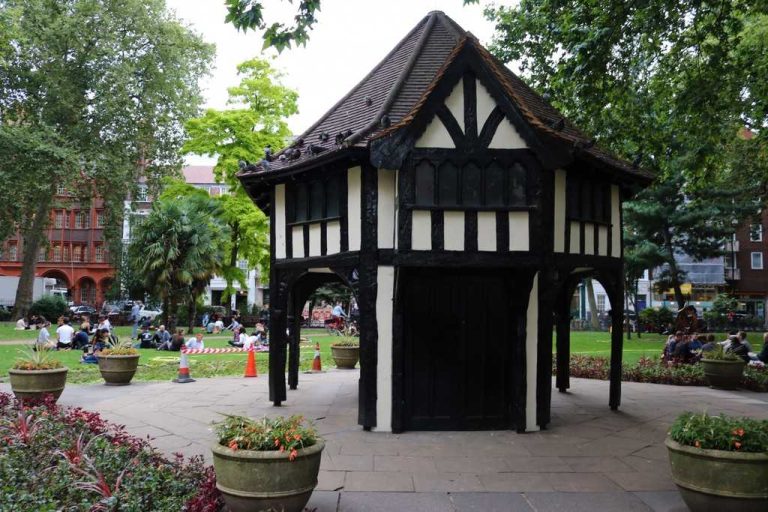
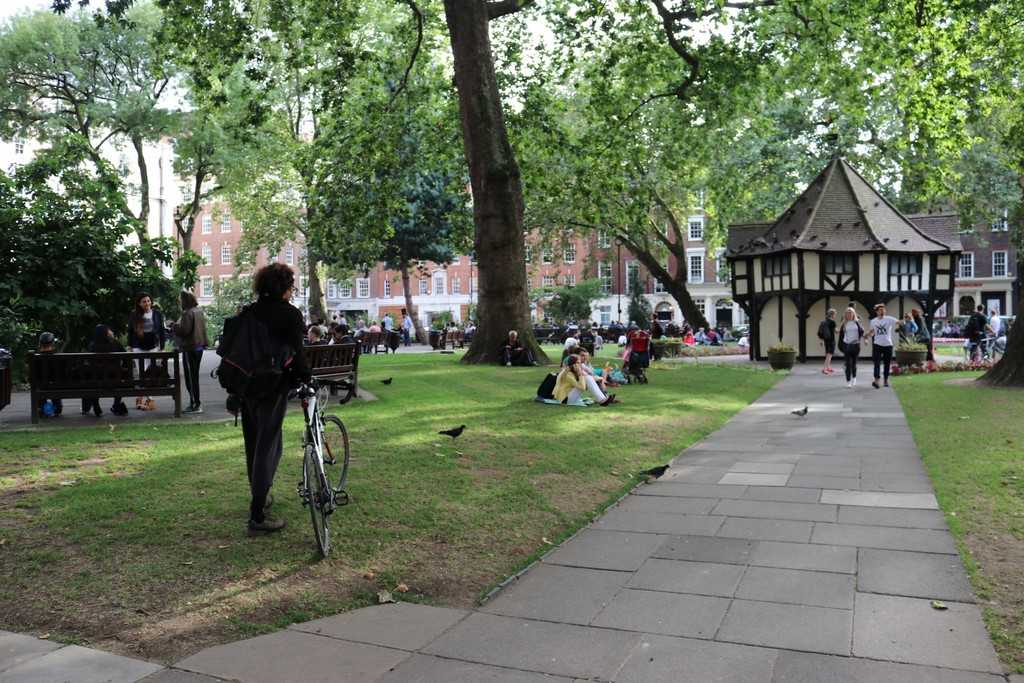
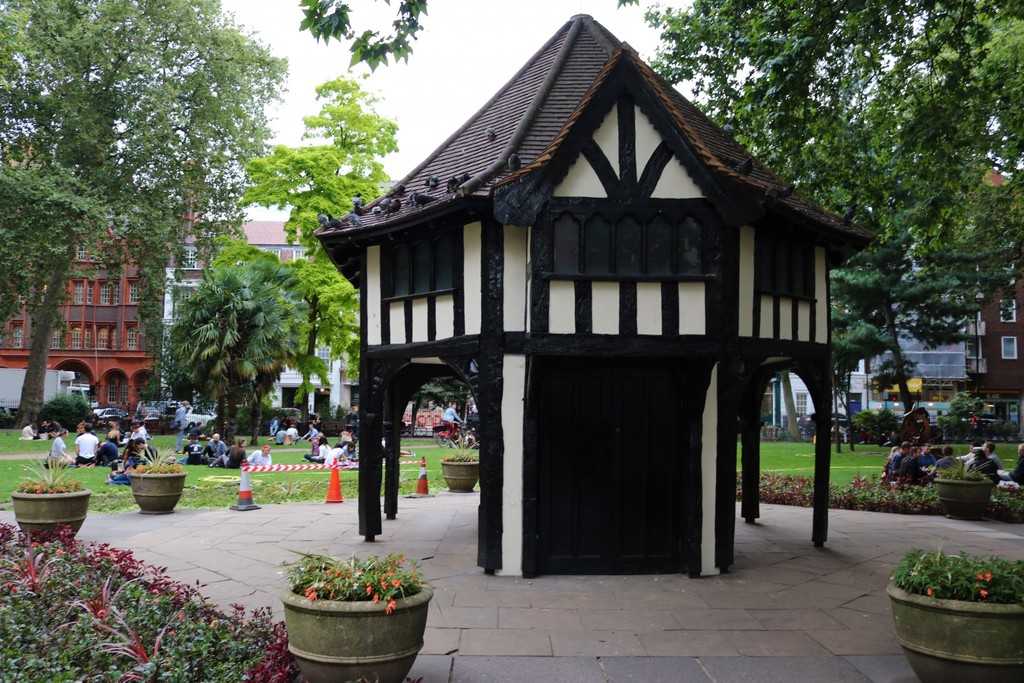
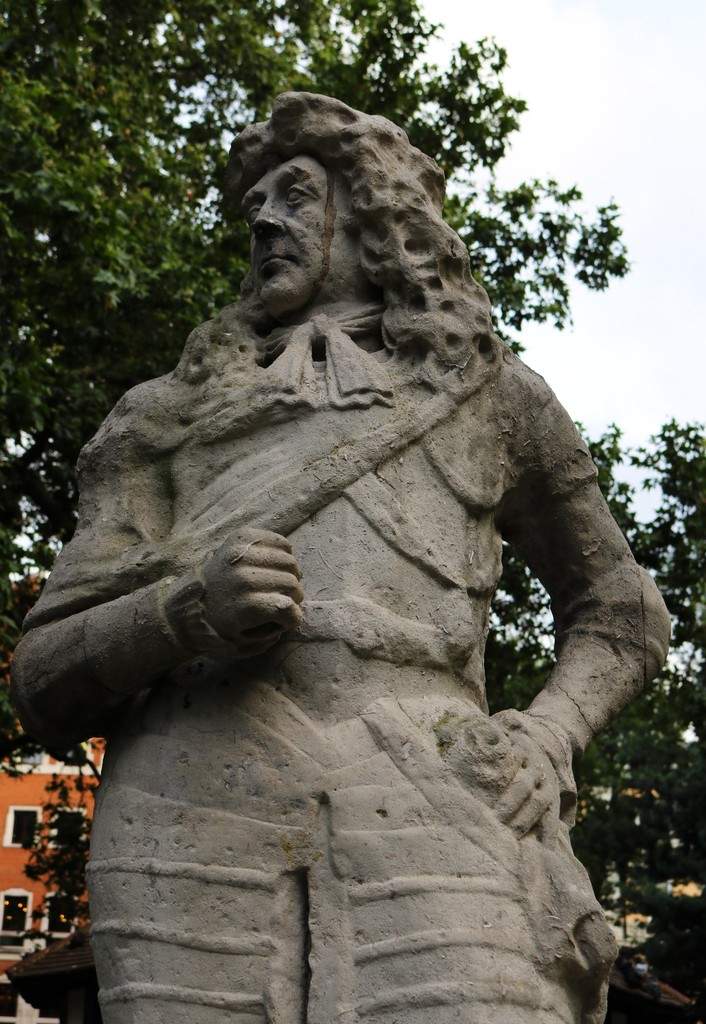
The statue of Charles II in Soho Square isn’t the most glamorous of London’s sculptures. It once stood a little north from its original location as a fountain centrepiece in the 1680s, however after a fair bit of damage, it was insulted for being in a ‘wretched and mutilated state’ and was given to artist Frederick Goodall in the late 19th century. The lovely gardener’s shed took its centre stage, one of my favourite little structures in the city.
Goodall installed it near his mansion house in Harrow, quoting that “in the twilight it looks very mysterious and weird with its reflection in the water”. After W.S. Gilbert bought the property, he ignored requests to return it however as soon as he passed in 1911, his wife jumped at the chance to get rid of it and it was placed in its current position.
3. There was a secret language for Old Compton Street’s gay scene
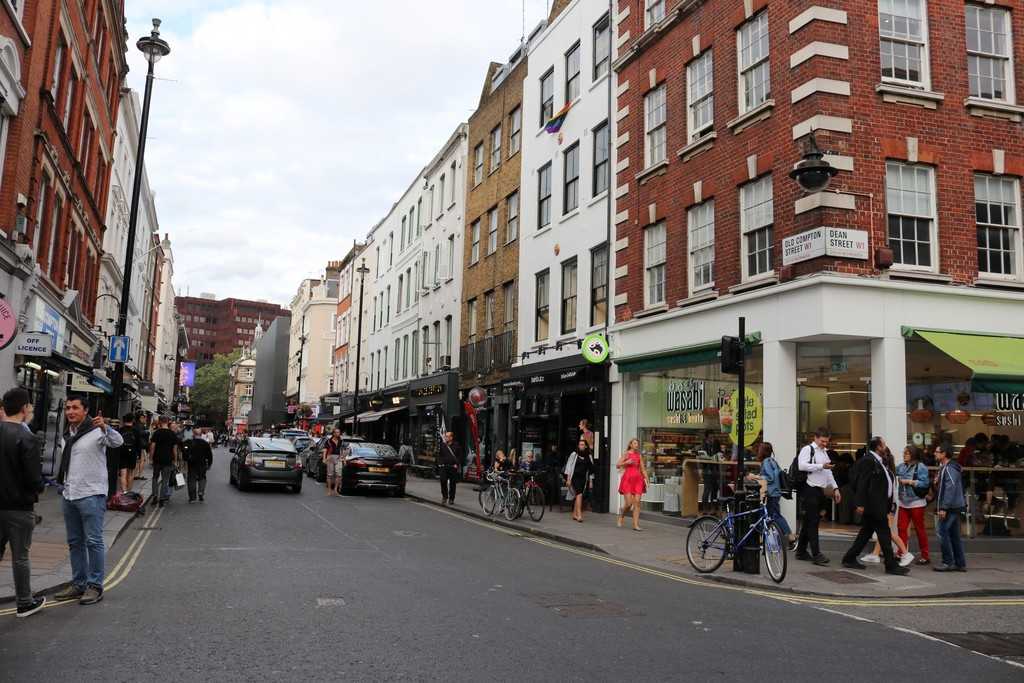
The crossing of Dean Street and Old Compton Street is the epicentre of Soho’s gay scene. It’s hard to believe that homosexuality has only been legal for just over 50 years, so particularly during the 1930s-70s, gay men would use a secret language to converse in the city. Many of the words are now used as slang today, such as ‘drag’ which meant ‘clothes’ and ‘bevvies’ which we all know is an often used term!
4. London’s first Italian coffee bar opened in 1949
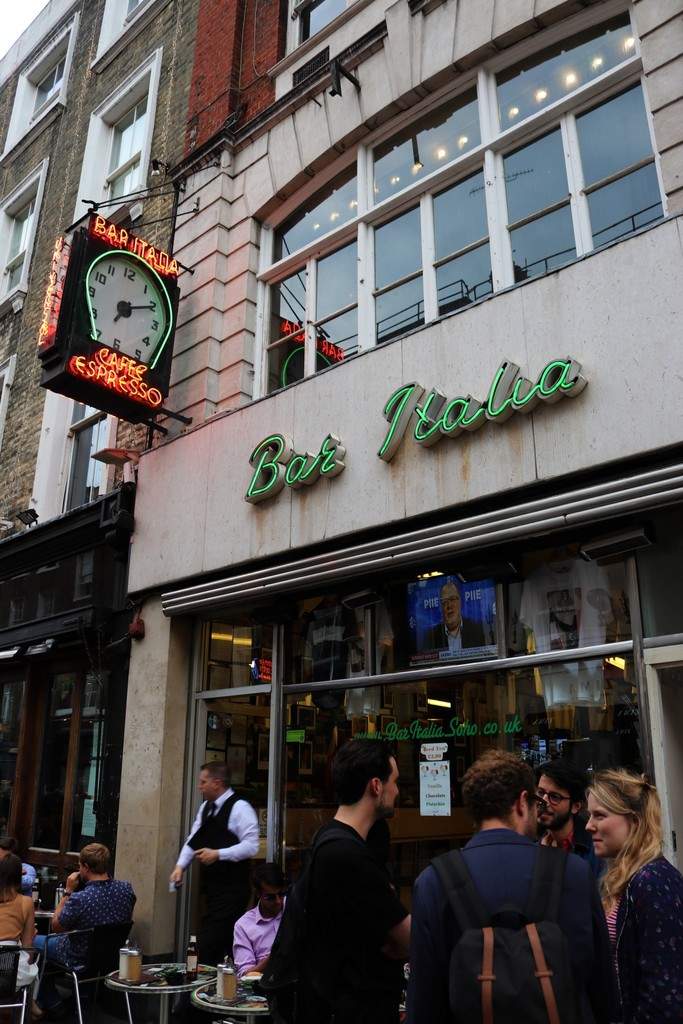
Bar Italia, as its so aptly named, on Frith Street was London’s first official Italian coffee bar. During the First and Second World Wars, many Italians left the country, emigrating to the surrounding areas and many coming to London for refuge. Lou and Caterina Polledri, opened Bar Italia in the winter of 1949 and it was a hit. Italians would gather to meet others, catch up on news and find work through word of mouth. The bar also became popular with other Londoners who seeked good coffee in the post-war shortage!
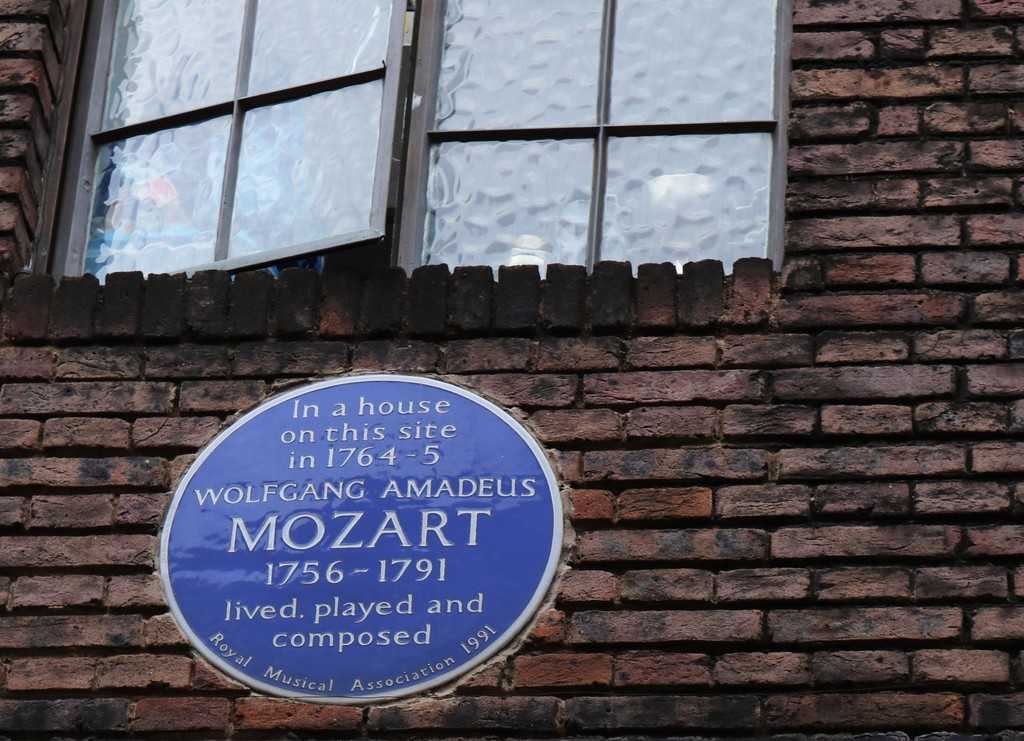
5. 8 year old Mozart lived in Frith Street
Between 1764-5, 20 Frith Street became the home of child genius Mozart. The famous composer was brought to London on a European tour (when the building was originally 15 Frith Street). At just the age of 8, his father publicised his performances on a phenomenal scale, getting him to play in every venue possible, even the local pubs! Its rumoured that this location is where Mozart created his famous Symphony No. 4 in D Major.
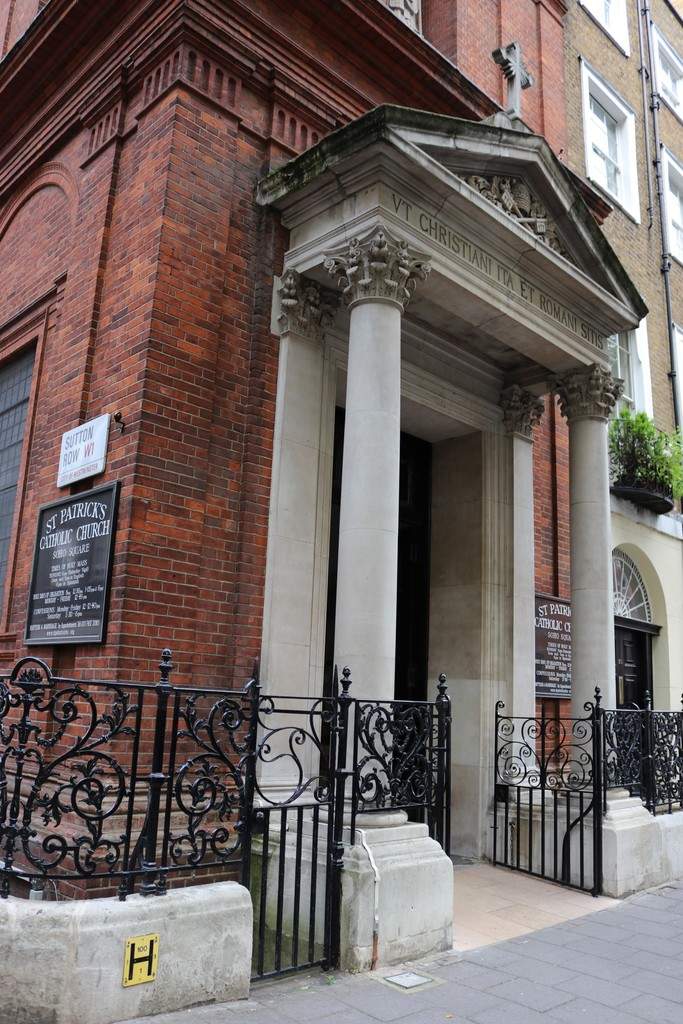
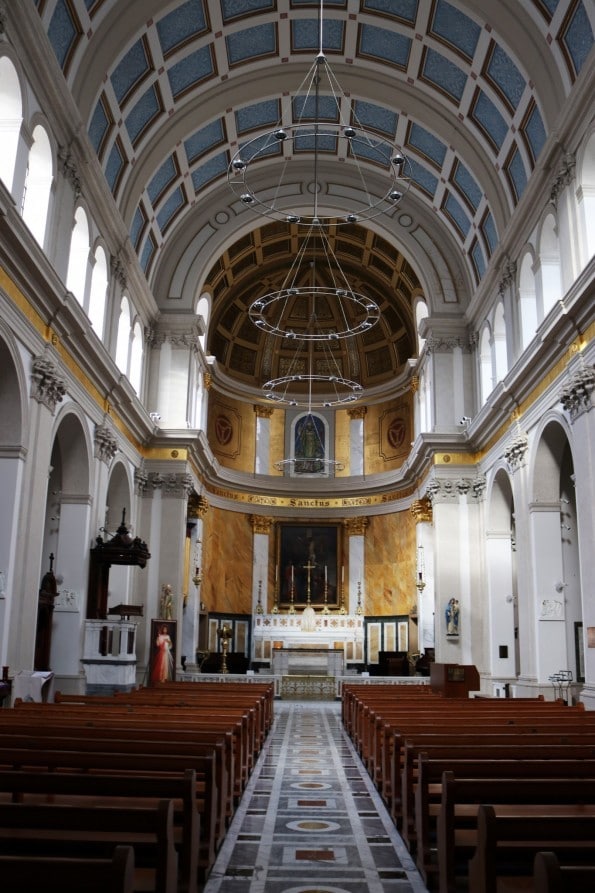
6. St Patrick’s Church has a colourful history
St Patrick’s Church in Soho Square is somewhere I would just normally walk on past. And that’s why I loved being on a tour. This church was the first in England to be dedicated to St Patrick and also one of the first Catholic parishes. St Patrick’s is the end point of the Tyburn Martyers walk. Every year since 1910 (to this day on August Bank Holiday Monday) an annual procession honours the Catholic martyrs who were executed during anti-Catholicism in the 16th and 17th century.
One of such was Saint Oliver Plunkett who was wrongfully trialled and given a gruelling sentence to be hung, drawn and quartered. A relic of the saint lies in the church today – his eye to be exact!
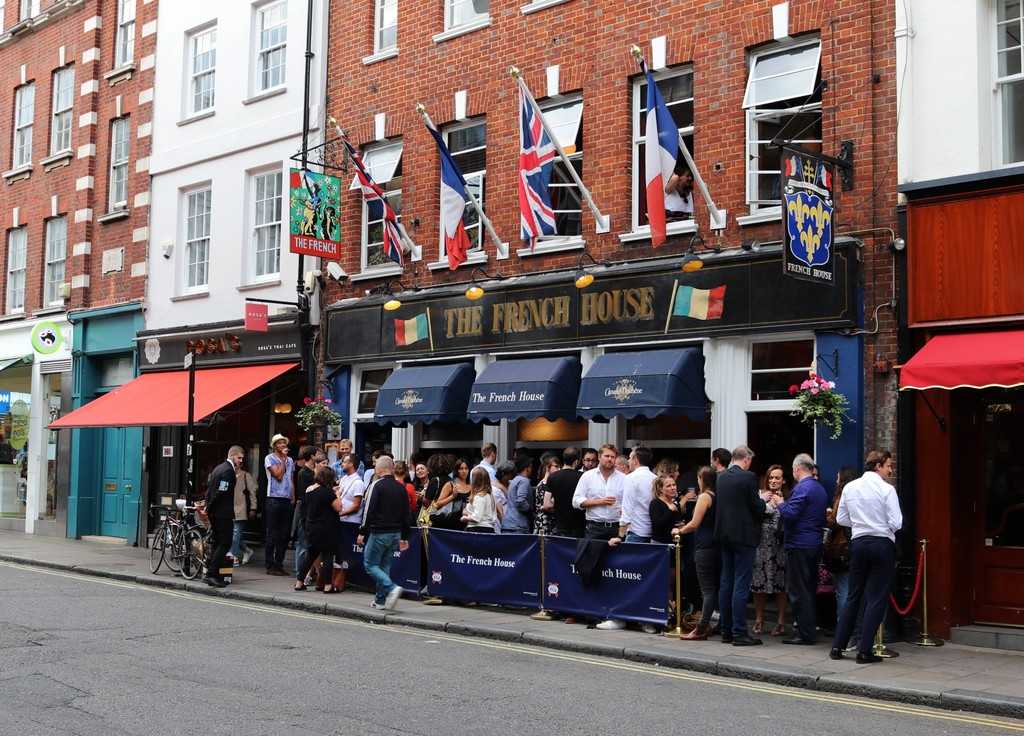
7. The French House serves half pints except on April Fool’s Day
Dean Street located The French House is one of London’s most historical pubs. Originally named ‘York Minister’ the pub got its name after all its drink orders kept arriving in York to the annoyance of its owner! The pub is famous for only serving half pints apart from on April 1st when Madness lead singer Suggs pours the first pint of the day.
8. There’s a beautiful boutique hotel named after a literacy critic
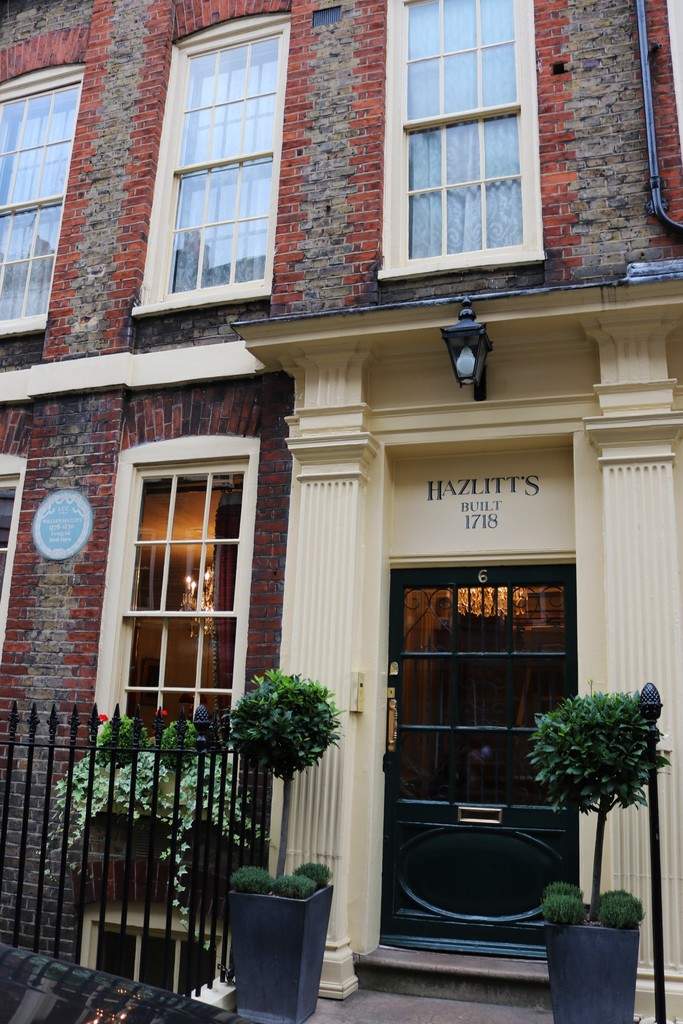
Hazlitt’s Hotel on Frith Street is a lovely boutique hotel made up of a row of wonky Victorian townhouses. Back in the early 19th century English essayist and critic William Hazlitt rented a room here where he spent many a night escaping his terrible marriage and partying with his famous friends including Keats, Wordsworth and Charles Lamb. He suffered an undignified death as his landlady, desperate to re-let his room, hid his body under his bed until it could be collected for burial! Poor guy.
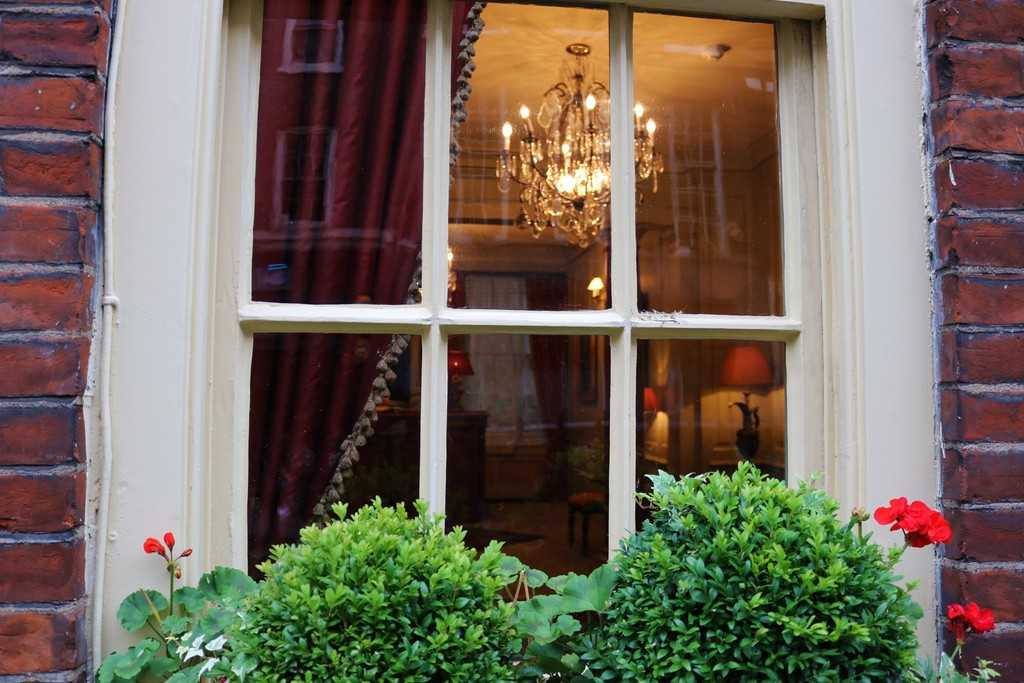
The hotel looks just lovely, with 17th century style guest rooms that each feature a four poster bed, fine paintings and antique books. One for my list!
9. There’s many famous residents of Chinatown
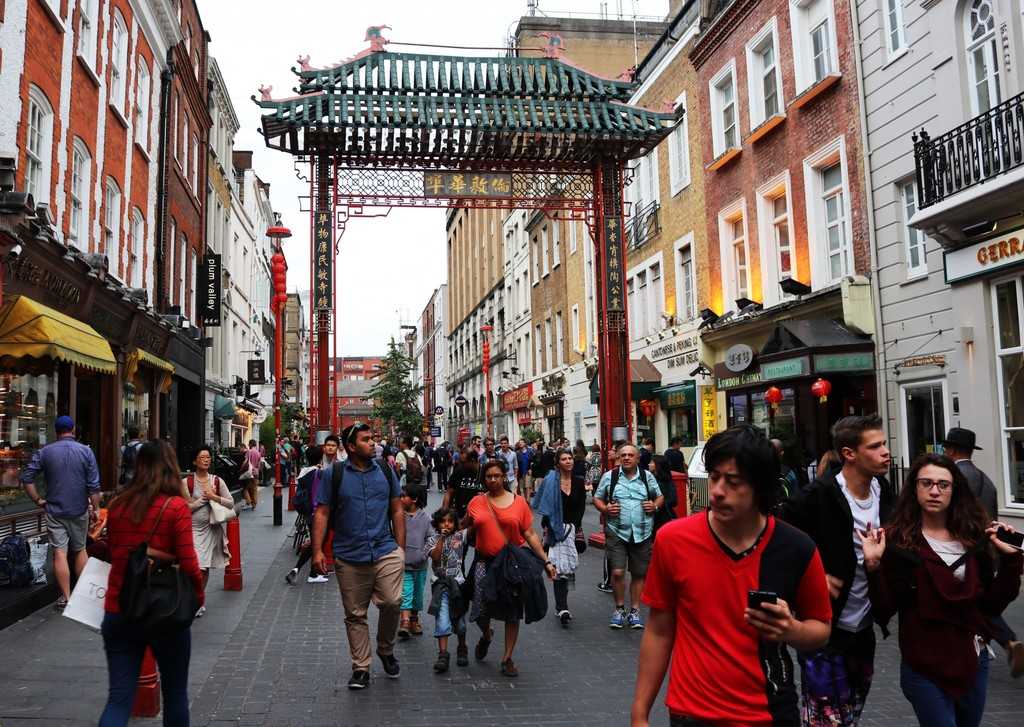
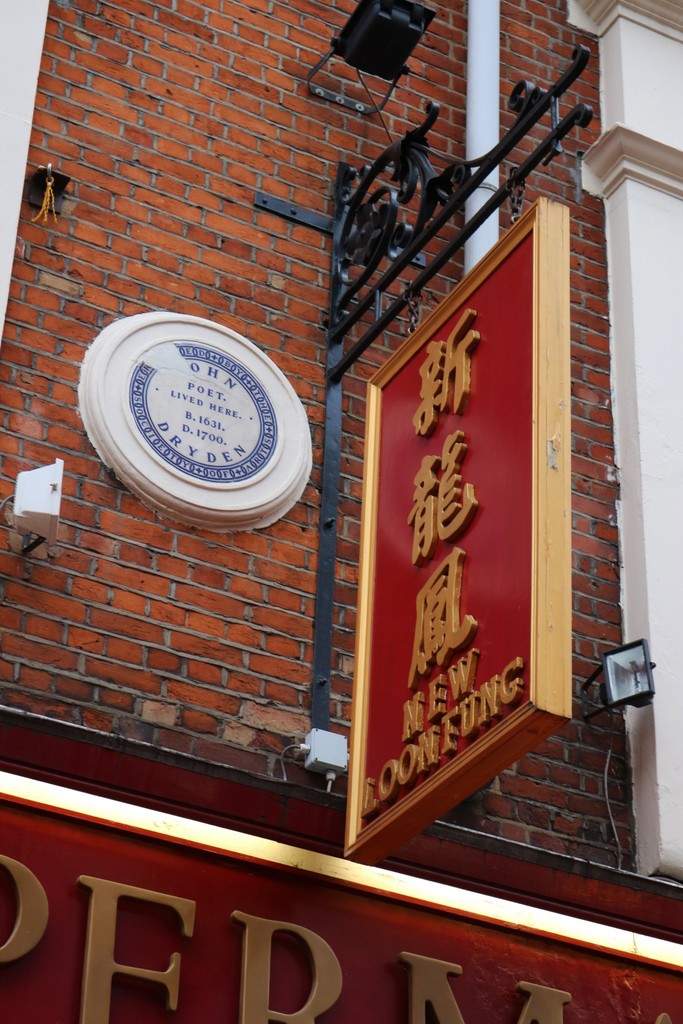
Gerrard Street, the famous road of Chinatown, isn’t just famous for its Chinese cuisine and culture, for many famous names have lived and partied here. Poet John Dryden, commemorated by a blue plaque, lived above the now Loon Fung Supermarket whilst number 43 was once the home of the 43 Club, a jazz club notorious for wild parties in the roaring twenties. Also once here was the Mont Blanc restaurant where many famous writers would gather in the early twentieth century.
10. London’s first nightclub owner had to pay for her party lifestyle
Teresa Cornelys was an opera singer in the 1700s who came to London from Venice. Teresa had an incredibly interesting life. Her first child was born on stage in Vienna before she became one of Casanova’s many lovers, later having his child before moving to London.
Renting Carlisle House in Soho Square, Teresa began to host very fashionable gatherings that attracted the rich and famous. What once started as card games and dancing turned into extravagant celebrations as Teresa invested in a grand ballroom and expensive furnishings. This expensive hobby landed Teresa in a serious amount of debt so she began charging an entry fee and hosting masked balls that were attended by the likes of the Prince of Monaco and the King of Denmark. However she could not rid her debt and soon ended up in prison where like others, she had to pay for her food and even a release fee. Teresa spent her later years paying for her younger party lifestyle, in and out of prison whilst her daughter from Casanova was raised by her father.
I had a fantastic time learning about Soho and Chinatown’s incredible past and love knowing so much more about the city I live in.



5 Responses
Hi Eppie ,
Some interesting facts indeed which I didn’t know . I didn’t know Mozart was living in England at that time , and I like the church story , and China town which I am planning to go to soon .
Keep posting the informative posts x
7 noses?! I had no idea!!!
Haha I know right! I need to find the other 6…
We just found the 8th nose!!!!