Note: this guide to Porto contains affiliate links. Thank you for the support!
Porto is one of those cities you’ll want to return to. Compact, colourful and packed with culture, it’s a European highlight that should sit higher on everyone’s bucket list.
After subconsciously craving a bit of sunshine, I was delighted to be invited on a press trip with Jet2 in February (which turns out is an ideal time to go). What better way to escape the longest, wettest winter we’ve ever seen?!
After staying at the TRIBE Hotel in Manchester Airport (which, sidenote, is one of the nicest airport hotels I’ve stayed at), I was ready to board one of the morning flights to Porto with Jet2. Before long I was strolling down Douro River, popping into port houses and eating every type of Portuguese tapas in sight.
Here’s my Porto itinerary for the perfect city break, including where to stay, when to go and what to do whilst you’re there.


How to get to Porto
Porto is closer than you think. In just 2.5 hours you can be basking in Portuguese sunshine, glass of port in hand.
Travellers in the north of England have excellent options thanks to flights from Manchester Airport, making Porto an easy European city break. There’s also options from Birmingham and Newcastle depending on the time of year.
For this London living girl, it wasn’t an issue. A direct train from Euston took me to Manchester Piccadilly in just over two hours, followed by a quick 15-minute journey straight to Manchester Airport.
If you’re up for a longer trip, you can also get the train to Porto from Lisbon in 2.5-3 hours. I adore a slow-paced train journey, glimpsing out the window at a foreign land – and according to my trusted fellow travel bloggers, it’s a rewardingly scenic route.

Where to stay in Porto
Choosing the best area to stay in Porto depends on the kind of city break you want. Porto is compact and very walkable, so most central neighbourhoods make a good base – but each has a slightly different feel.
Baixa / historic centre
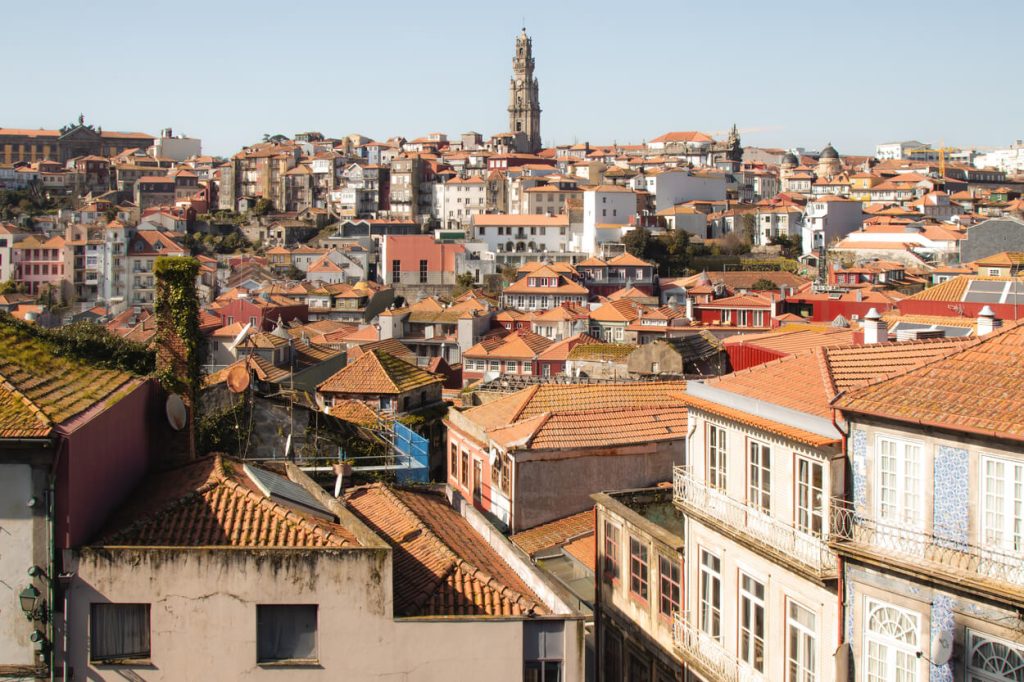
Baixa and the wider historic centre are widely considered the best area to stay in Porto for first-time visitors and those who enjoy being in the heart of it all. It’s incredibly central, meaning most major attractions – including São Bento Station, Livraria Lello and the Clérigos Tower – are within an easy 10-15 minute walk.
The area is full of cafés, bakeries and traditional restaurants, as well as plenty of small businesses selling everything from hand-painted tiles to fantastically kitsch t-shirts (I bought a few). It also tends to have a wider range of hotels and boutique stays compared with the waterfront districts.
During my visit I stayed at the beautiful Pousada do Porto – Rua das Flores with Jet2holidays, located right in this central area. This boutique hotel sits on Rua das Flores, a pedestrianised street that has become one of Porto’s main hotel zones in recent years. It was perfect being able to pop out for a mooch or sit and read my book with a hot cocoa just minutes away.
Many of the city’s design-led hotels are clustered here, which works well for visitors while helping keep residential neighbourhoods quieter for locals. It meant we were perfectly placed to explore the best of Porto, while still feeling tucked away from the busiest tourist crowds.


Ribeira
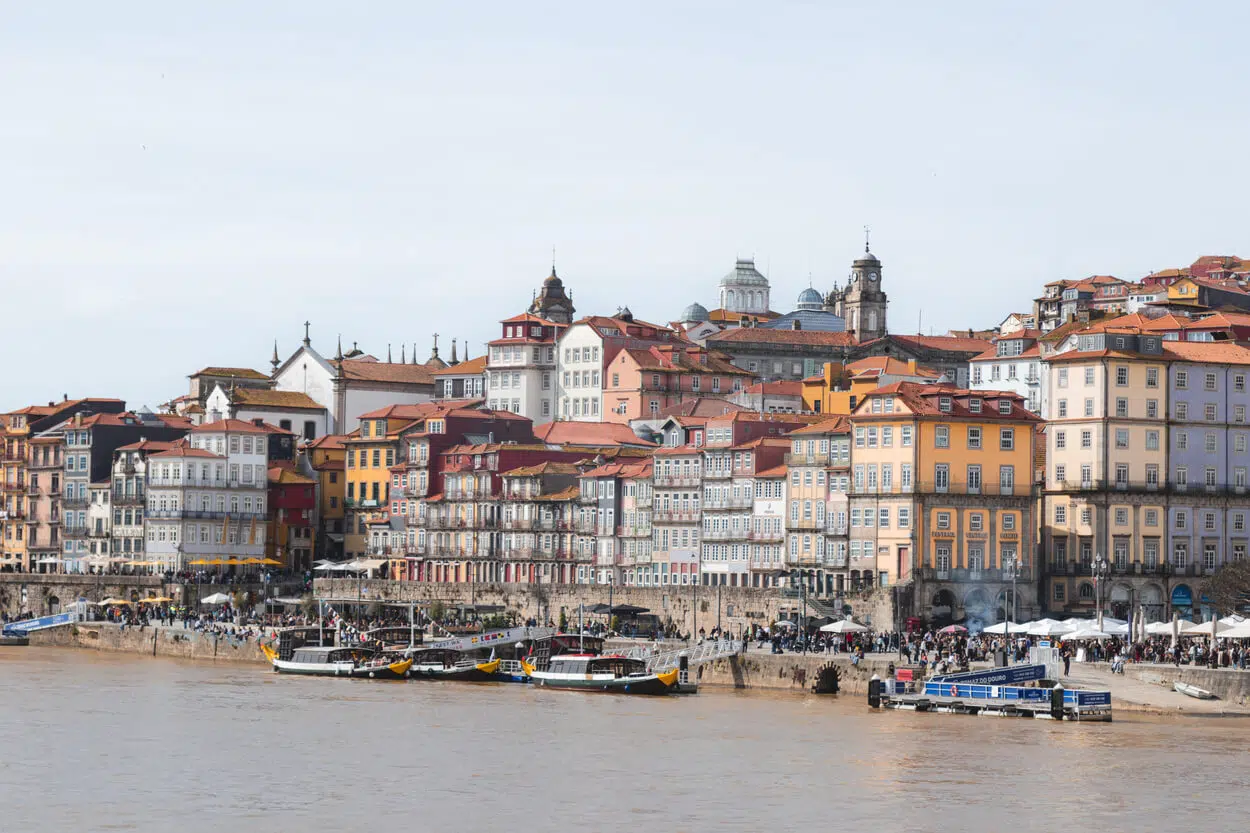
If you want the classic postcard view of Porto, Ribeira is another area that’s good to explore. This riverside district is the heart of the historic centre, with colourful houses stacked along the Douro and restaurants spilling onto the waterfront.
It’s a beautiful area to wander in the evenings, especially as the sun sets behind the Dom Luís I Bridge. The downside is that it can be busy and slightly more touristy, but if you want to be surrounded by Porto’s most iconic scenery, it’s hard to beat.
Jet2 also offers a range of Porto Hotels across the city, as well as flexible city break packages through Jet2CityBreaks if you prefer to book flights and accommodation together.
Top Porto attractions and points of interest
If you’re visiting Porto for the first time, these are the attractions you shouldn’t miss.
- Dom Luís I Bridge – the city’s most famous landmark connecting Porto with Vila Nova de Gaia
- Ribeira district – Porto’s colourful riverside neighbourhood and UNESCO World Heritage site
Livraria Lello – one of the most beautiful bookshops in the world - Clérigos Tower – climb the tower for panoramic views over Porto
- São Bento railway station – famous for its historic azulejo tile murals
Port wine cellars in Vila Nova de Gaia – where Porto’s iconic wine is aged and tasted
3-day Porto itinerary
Day 1: Porto’s historic centre, São Bento Station and Time Out Market
Catch an early morning flight to Porto (Francisco Sá Carneiro Airport) before travelling to your hotel by car, metro or taxi – you can book a private transfer here from just £17!
Afternoon
After checking in, head straight out into the historic centre to grab some lunch at the world-famous Time Out Market. Featuring 12 top local restaurants and two bars (many Michelin-starred), there’s plenty to choose from, be it one of TikTok’s best burgers or classic Portuguese cuisine.
TBTL Tip: We ordered a bunch of Portuguese tapas from chef Rui Paula’s stand (winner of two Michelin stars at Casa de Chá da Boa Nova). The team were lovely, explaining each dish before recommending the must-haves which included garlic prawns dripping in sauce, shrimp and broken eggs, and the famous Francesinha sandwich, eaten by Anthony Bourdain on his trip to Porto.


Once you’re full to the brim, head to nearby São Bento railway station, a beautiful former Benedictine monastery that’s one of the city’s most famous landmarks. Aside from its 19th-century history, what draws a crowd are the elaborate high walls, adorned in traditional azulejo tilework depicting Porto’s past.
São Bento railway station is also a great place to start a city walking tour – the perfect way to familiarise yourself with Porto, its history and renowned culinary scene.
I highly recommend On the Road with Elena, a 3-hour walking tour with Elena Ferraro, a Naples native who moved to Portugal, becoming a certified tour guide. Elena took us to so many unmissable gems, including Porto Cathedral (and its surrounding views), the famous blue tiled Clérigos Church and the city’s best pastel de natas at Manteigaria.
If you want to see more of the Cathedral, you can also buy tickets and book a tour here.


Evening
After an early start and day of walking, I always recommend a relaxed first evening in a new city. For guaranteed good food, head to Rua da Picaria, a famously gastronomic street packed with everything from authentic Vietnamese to exceptional pizza.
We opted for Ramen Me!, a super cool ramen restaurant with a banging RnB playlist. Pick your protein, decide if you want heat and enjoy the noods either on the bicycle seat bar or out on the heated terrace.

Day 2: Porto’s food scene, tile workshop and city views
Morning
Start the morning at one of Portugal’s top tier coffee shops (I recommend Floresta Cafe by Hungry Biker) before heading to a traditional tile painting workshop. We booked with BOA Arts but I also recommend this 2-hour workshop, as well as this workshop that comes with a classic cocktail!
You’ll learn all about the history and significance of Portuguese tiles before putting your hand to your very own piece. Stencils are provided, with plenty of glazes and guidance.
TBTL Tip: Don’t follow in my footsteps and instead paint over the stencils to reveal a colourful design – I decided to paint the background and ended up with a patchy result!


Afternoon
This afternoon is all about food – and plenty of it. Book a Porto food tour where you’ll get to indulge in the best of local cuisine, explore the city’s best food market and get your first taste of Porto.
We booked with Filipe from Do Eat Better Tours, a culinary walking tour packed with foodie stops including pastel de natas at a local café to fuel our walk, codfish fritters at an authentic traditional restaurant, and a bifana at Conga, a popular pork sandwich dripping in spicy sauce. Our tour also took us to Mercado do Bolhão for cheese and wine, an iconic food market packed with colour and smells, as well as a small wine shop where we tried white, ruby and tawny ports.


I couldn’t recommend the tour enough – it was educational, extremely fun and damn delicious. Filipe filled us with facts and local stories, and had a good giggle with us as we nibbled our way around the city.
Take the rest of the afternoon to mooch around the cobbled streets and soak up the atmosphere. I recommend stopping off at Porto Cathedral and climbing the tower of Clerigos Church for a scenic view of the city. Or if you’re down to shop, don’t miss Pampling & Co. for top-tier t-shirts, Toranja for beautiful mugs and tiles, and usoluso for small business crafts.


Evening
For dinner I recommend nearby Encaixados, an authentic Portuguese restaurant on Rua do Conde de Vizela. Cosy, intimate and served by incredibly friendly staff, it’s a can’t-go-wrong menu of small sharing plates such as piri-piri chicken thighs, breaded green beans, sardines and sweet peppers, and slightly spiced prawns. The mushrooms dripping in Porto wine are a must, especially when ordered with a side of truffle mashed potatoes. The desserts are also a hit. We shared all three; white chocolate crème brûlée, banana cake with walnuts and Grandma’s biscuit cake. We didn’t know who Grandma was but her dessert was damn delicious.


Next it’s time to explore Porto’s cocktail scene. The city might be known for its wine and port bars, but there’s also a surprising amount of award-winning mixologists hidden behind unassuming doors, including the steps down to Apotecario Speakeasy.
You won’t find strawberry daiquiris here – this farm-to-glass speakeasy is all about seasonal, high-quality produce, presented on a mysterious menu where you order based on vibes and feelings rather than ingredients.
After entering through an apothecary cabinet, you’re welcomed to a 12-seater table to enjoy creations made with the likes of lemongrass cold brew, fine Jamaican rum and clarified apple juice made clear through a scientific process I struggled to get my head around!
Day 3: Porto’s famous bookshop and Port wine in Vila Nova de Gaia
Morning
Today begins at Livraria Lello, or Lello bookshop, one of the oldest bookstores in Portugal and famously one of the most beautiful. Whilst you can book on the day, I highly recommend getting tickets in advance as the queues are long and the inside extremely busy.
Whilst it isn’t free to visit, your €12 ticket is redeemable against anything within the store – and with everything from bespoke designed classics to Portuguese cookbooks, illustrated children’s tales to bestselling novels, there’s no better excuse to go book shopping. The tote bags are also incredibly cute.
You can also book a ticket that includes entry to the Livraria Lello Foundation either directly through the website, or here for just £23.


For lunch we’re heading to Cantina 32, a lively restaurant with an incredibly chic dining room that opens out beyond the traditional looking exterior. There’s more droolworthy Portuguese tapas, brunch-style appetisers and large dishes for hungry eaters or to share. Our favourites included sauteed shrimps in butter, tuna tartare and breaded quail eggs with bacon.

Afternoon
The rest of the day is to be spent by the water. Take a relaxed walk across the Douro River to Vila de Gaia, the home of Porto’s port house and cellars. You’ll stroll across the Luís I Bridge, famous for its double-deck arch that can be walked across on both levels.


If it’s another tasting you’re after, head to Cálem Cellar Port House to learn more about the history of port production and see the ginormous barrels for yourself. We took part in a port tasting upstairs, another fabulous experience and chance to taste the wine alongside various cheeses and chocolates.
Book your Port, cheese and chocolate tasting here or bypass the food pairing in this wine tasting experience.
With the sun gleaming down, now is a great opportunity to enjoy Portuguese sangria or the new cocktail of the season, Porto Tónico at a riverside bar.


Evening
Before dinner, head to Ideal Clube de Fado for an intimate evening with some of Porto’s best musicians. For over 200 years, Portugal has celebrated the soulful tradition of Fado, an improvised musical performance where vocals are paired with classical guitar. The poetic songs are often themed around heartbreak, love, sorrow and loss, and can be incredibly moving, especially for those who understand the lyrics!
To eat, we’re heading to Muti for traditional Neapolitan pizza and homemade pasta. I had Spaghetti alla Nerano, a cheesy Amalfi dish with fried courgette that I couldn’t get enough of.
If you fancy a drink before bed, head to The Royal Cocktail Club, one of the World’s Top 50 Bars serving both classic and contemporary cocktails inspired by the five elements.

Optional day trips from Porto
If you have one or more extra days in your Porto itinerary, it’s well worth venturing slightly beyond the historic centre. Within an hour of the city you’ll find beautiful Atlantic beaches, relaxed coastal neighbourhoods and the famous wine landscapes of the Douro Valley.
Foz do Douro
Located where the Douro River meets the Atlantic Ocean, Foz do Douro is one of the easiest day trips from Porto. It’s a charming seaside neighbourhood with a laid-back feel, elegant villas and a long promenade perfect for walking or cycling.
The area is known for its coastal views and sunset spots, with waves crashing dramatically against the rocky shoreline. It’s a lovely contrast to the busy historic centre and a great place to slow down for a few hours.
You can reach Foz in around 25 minutes by Uber or taxi, or take the historic tram line 1 from Ribeira which runs along the river towards the coast. Cycling is also popular – the riverside path from central Porto to Foz is flat and scenic.
Matosinhos Beach
If you’re looking for a proper sandy beach, Matosinhos Beach is the closest large beach to Porto and a favourite with locals. It’s a wide stretch of sand known for its surf-friendly waves and relaxed seaside atmosphere.
Getting there is very straightforward. You can take the metro from central Porto directly to Matosinhos Sul station, which takes around 25–30 minutes, or grab a quick Uber.
Matosinhos is also famous for its seafood restaurants, many of which display fresh fish and shellfish outside their doors ready for grilling. One spot that came highly recommended by one of our local tour guides was O Valentim, a long-standing restaurant known for its fantastic grilled seafood and authentic local atmosphere.
Douro Valley
If you have a full day to spare, the Douro Valley is one of the most spectacular day trips from Porto. This UNESCO-listed wine region is famous for its terraced vineyards that climb the hills along the Douro River.
Visitors can explore traditional wine estates (known as quintas), take scenic boat trips along the river or simply enjoy long lunches overlooking the valley. Many people join organised tours from Porto, although it’s also possible to reach towns like Peso da Régua or Pinhão by train for a scenic journey through the vineyards.
While it’s possible as a day trip, the Douro Valley is also worth an overnight stay if you want to experience the region at a slower pace.
Book your Douro Valley tour here including lunch, a boat tour and wine tasting.
Best time to visit Porto
The best time to visit Porto depends on the type of trip you’re looking for. The city is a year-round destination, but the atmosphere, weather and crowds can vary quite a bit between seasons.
Spring (March – May)
Spring is one of the most popular times to visit Porto. Temperatures start warming up, the city’s gardens begin to bloom, and outdoor terraces fill with people enjoying the sunshine.
It’s a great time for walking around the historic centre, visiting viewpoints and taking day trips along the Douro Valley before the summer crowds arrive. Expect pleasant temperatures and plenty of sunny days, although the occasional rain shower is the perfect excuse to cosy up in one of the city’s cafés.
Summer (June – August)
Summer is peak season in Porto, with warm temperatures and long evenings that are perfect for enjoying by the riverside.
As with most European city breaks, it can get very busy during these months, particularly in July and August (it was reasonably busy when I went in February!). However, the lively atmosphere and strong Portuguese sunshine make it a fantastic time to experience the city’s social side.
Autumn (September – October)
Autumn is often considered a sweet spot for visiting Porto. The summer crowds begin to fade, but the weather remains warm enough to enjoy alfresco lunches and early evening river strolls.
It’s also an especially good time for wine lovers, as the Douro Valley harvest season brings activity to the vineyards and wine cellars.
Winter (November – February)
Winter is the quietest time of year in Porto, although the city never really shuts down thanks to its mild climate.
I visited in February and found the 14-18°C temperatures heavenly compared to back home. While it was still fairly busy – especially around the main viewpoints and riverside – you could always find a spot in popular restaurants and bars.
February does carry a higher risk of rain, but we were lucky and only experienced one rainy morning during our three-night trip. The rest of the time we had mild weather and clear skies, which made wandering Porto’s hills and viewpoints a real pleasure.


How many days do you need in Porto?
Planning a Porto city break? The good news is that the city is compact and easy to explore, meaning you don’t need a huge amount of time to experience the highlights.
2 days in Porto (minimum)
Two days is enough to see Porto’s main sights, including Ribeira, the Dom Luís I Bridge, Livraria Lello and the historic centre. You’ll have time to wander the riverside, visit a port wine cellar in Vila Nova de Gaia and enjoy a few of the city’s famous viewpoints. It’s a great option for a quick weekend trip.
3–4 days in Porto (ideal trip length)
Spending three to four days in Porto is ideal if you want to explore at a more relaxed pace. This gives you time to visit museums, try several restaurants and cafés, explore neighbourhoods beyond the historic centre and enjoy the city’s atmosphere without rushing between attractions. My trip was 3 nights (about 3.5 days of exploring), which felt like the perfect balance of sightseeing and downtime.
5 days or more (including day trips)
If you have five days or longer, you can start adding some fantastic day trips to your itinerary. The most popular option is the Douro Valley, famous for its vineyard landscapes and wine estates. Other great options include coastal areas like Foz do Douro or Matosinhos, which offer a completely different side of Porto.

Porto travel tips
Is Porto walkable?
Yes. Porto’s historic centre is compact and most major attractions are within walking distance, although be prepared for hills.
Is Porto expensive to visit?
Compared with many Western European cities, Porto is relatively affordable, particularly when it comes to food and wine. We bought a bottle in Mercado do Bolhão for just €12! The food prices were somewhat similar to what you’d pay in London.
Is Porto or Lisbon better for a city break?
Lisbon is larger and more cosmopolitan than Porto so can take longer to explore. Porto feels more intimate and relaxed, so many travellers prefer Porto for a short city break.
Planning your trip to Porto
Porto is a city that really does have it all: exceptional food, world-famous wine, riverside sunsets and centuries of history packed into a walkable historic centre. It’s perfect for a long weekend, but equally rewarding if you have a few extra days to explore the nearby coastline or Douro Valley.
With quick flights from several UK airports, it’s one of the easiest European city breaks to plan – and one you’ll likely find yourself wanting to return to.